
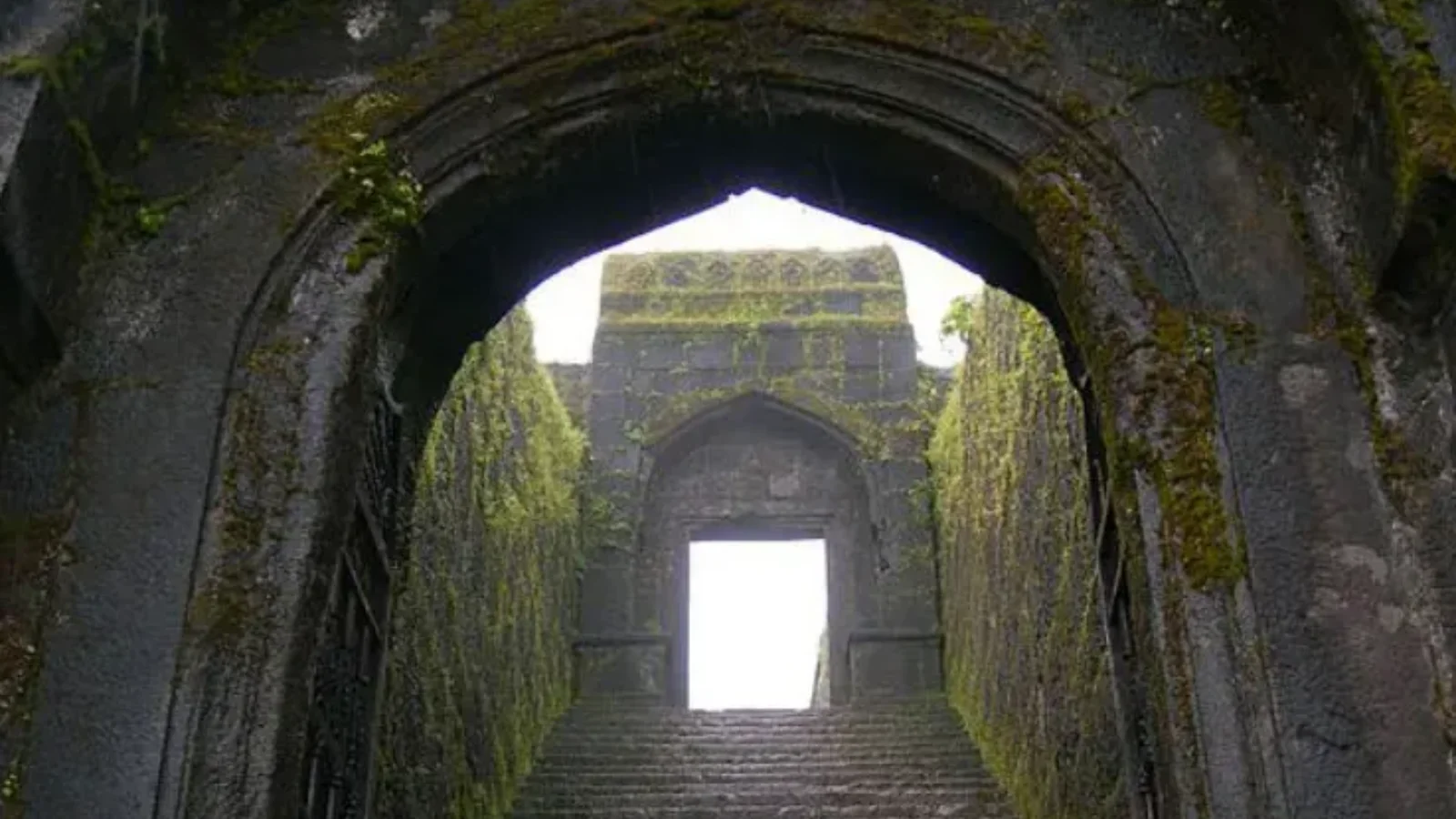
Raigad Fort Trek: 12 Forts Series
Sahyadri • Moderate
Raigad Fort isn’t just a destination, it’s an experience that begins the moment you set your eyes on its towering walls. As you move closer to Raigad Fort, the air itself feels heavier with history, pride, and sacrifice. Raigad Fort stands tall as the proud...
Raigad fort was originally constructed during the satavahana era. Historically it served as a military post, due to its strategic location. References to this fort date back to the 14th century, when the Bahmani emperor won over this fort. After the disintegration of the Bahmani kingdom, this fort was controlled by the Nizamshahi. After the end of Nizam Shahi in 1636 CE the fort came under the rule of Adil Shahi. It was during this time that the responsibility of the fort was transferred to More lineage, who were the Adilshahi Sardar. Chhatrapati Shivaji Maharaj conquered Raigad fort in 1656 CE and further appointed Hiroji Indulkar, under whose supervision the Raigad Fort was reconstructed. Indigenous materials and techniques have been used to perfection for the construction of Raigad Fort. Huge lakes have been created for the storage of water on the fort. The stones that have been retrieved through the digging have been used in the construction of the Fort. Raigad has very steep slopes on all sides. From the point of view of security, the slopes were fortified at places at the vulnerable sections. Thus, to make Raigad Fort more secure, four buruj (bastion), namely Mahadarwaja, Wagh Darwaja, Bhavani Tok and Hirkani Tok have been strategically constructed. The structure of the buildings such as the Maharaja’s palace, the Queen’s palace, the ministers’ residences, and the royal court is designed in a very simple yet sturdy manner. The royal court is so simple that it doesn’t even have a roof. During court proceedings, a temporary pavilion was set up. Although Raigad was the capital fort, its design reflects military architecture, indicating it was meant to be prepared for war. Raigad stands as a silent witness to two significant events in the history of the Maratha Empire: the coronation of Chhatrapati Shivaji Maharaj on June 6, 1674, and the demise of Chhatrapati Shivaji Maharaj on April 3, 1680. After the Maharaj’s death, Chhatrapati Sambhaji Maharaj continued the administration of the Maratha empire from Raigad Fort. After Sambhaji Maharaj’s reign, in 1689, the Mughals captured the fort. In 1733, the Marathas regained control of Raigad. However, like all other forts, the British captured Raigad in 1818 after bombarding it with cannons.
7 Feb 2026 – 8 Feb 2026
₹3,810
₹3,429GAF Member
Full